The Law Has Arrived. We Were Already There.
"New York's Synthetic Performer Disclosure Law takes effect June 9, 2026. Every advertisement featuring an AI-generated synthetic performer must now clearly disclose that fact, with civil penalties for non-compliance. Ethereal has disclosed from its first published image. This is not a compliance story. It is a competitive advantage story."
On June 9, 2026 — in three weeks — New York's AI Transparency in Advertising and Synthetic Performer Disclosure Law takes effect. Any commercial advertisement using an AI-generated synthetic performer — a realistic digital person created by AI — must clearly disclose that fact. Civil penalties apply for non-disclosure. This is not the beginning of AI disclosure regulation. It is the legal consolidation of a standard that the industry has been building toward for three years — and that Ethereal has been practicing since its first published image.
The Legislative Timeline
What the Law Requires
The New York Synthetic Performer Disclosure Law is consumer-facing, not industry-facing. It does not govern how brands produce content. It governs what consumers are told about the content they are shown. If a commercial advertisement uses a synthetic performer — defined as a realistic digital person created by AI — that fact must be clearly disclosed. Not in fine print. Clearly. The penalty for non-disclosure is civil liability. This is the regulatory consolidation of what the audience has expected since the Guess backlash in August 2025. The audience already wanted to know. The law now requires the answer to be given.
Disclosure is not a legal footnote. It is an editorial position. When you disclose clearly, you are saying: we are confident enough in what we made to tell you how we made it. That confidence is a luxury signal in itself.
The Valentino Lesson
In December 2025, Valentino posted an AI-generated video promoting its Garavani DeVain handbag. Despite being labeled a "digital creative project," hundreds of comments described the result as cheap and lazy. The brand damage was measurable. Burberry, by contrast, used AI as a supplement to conventional photography in the same period and drew minimal criticism. The difference was not the technology. It was the relationship between the AI content and the brand's existing visual authority. Burberry's felt like an extension of something real. Valentino's felt like a replacement for it. The law arriving in June 2026 codifies what the audience already knew instinctively: synthetic content deployed without transparency reads as a failure of confidence. Synthetic content deployed with transparency and craft reads as innovation.
Where Ethereal Stands
Ethereal has disclosed on every published image since its first issue — not in response to legislation, and not in anticipation of it. The disclosure sits in the masthead colophon of every Ethereal Journal issue and in the footer credit of every campaign image, because it is an editorial standard. When the law now makes disclosure mandatory across the entire advertising tier, Ethereal's practice becomes the legal floor. Every agency that has not been disclosing must now catch up. We have nowhere to catch up to.
The competitive advantage of this position is not compliance — any agency can comply. The advantage is trust, and the trust was built before the requirement existed. That sequence cannot be replicated by an agency that starts complying in June 2026 to avoid a penalty. The floor has caught up to our ceiling.
Sources
- Global Legal Post / Foley & Lardner — "How AI, digital doubles and new laws are rewriting fashion and beauty" (April 1, 2026)
- Skadden — "Two Newly Enacted New York Laws Will Regulate Certain AI-Generated Images" (January 2026)
- The Fashion Law — AI Legislation Tracker
- EU AI Act — Article 50: Transparency Obligations for Providers and Deployers
- Glossy — "Luxury fashion's AI marketing experiments hit a turning point" (December 2025)
Ethereal Journal — Industry Intelligence. © EtherealCasting.com
The next step should be private mandate review.
If this article reflects how your brand thinks about campaign control, casting precision, and production speed, the next move is not more reading. It is a private brief with Ethereal.
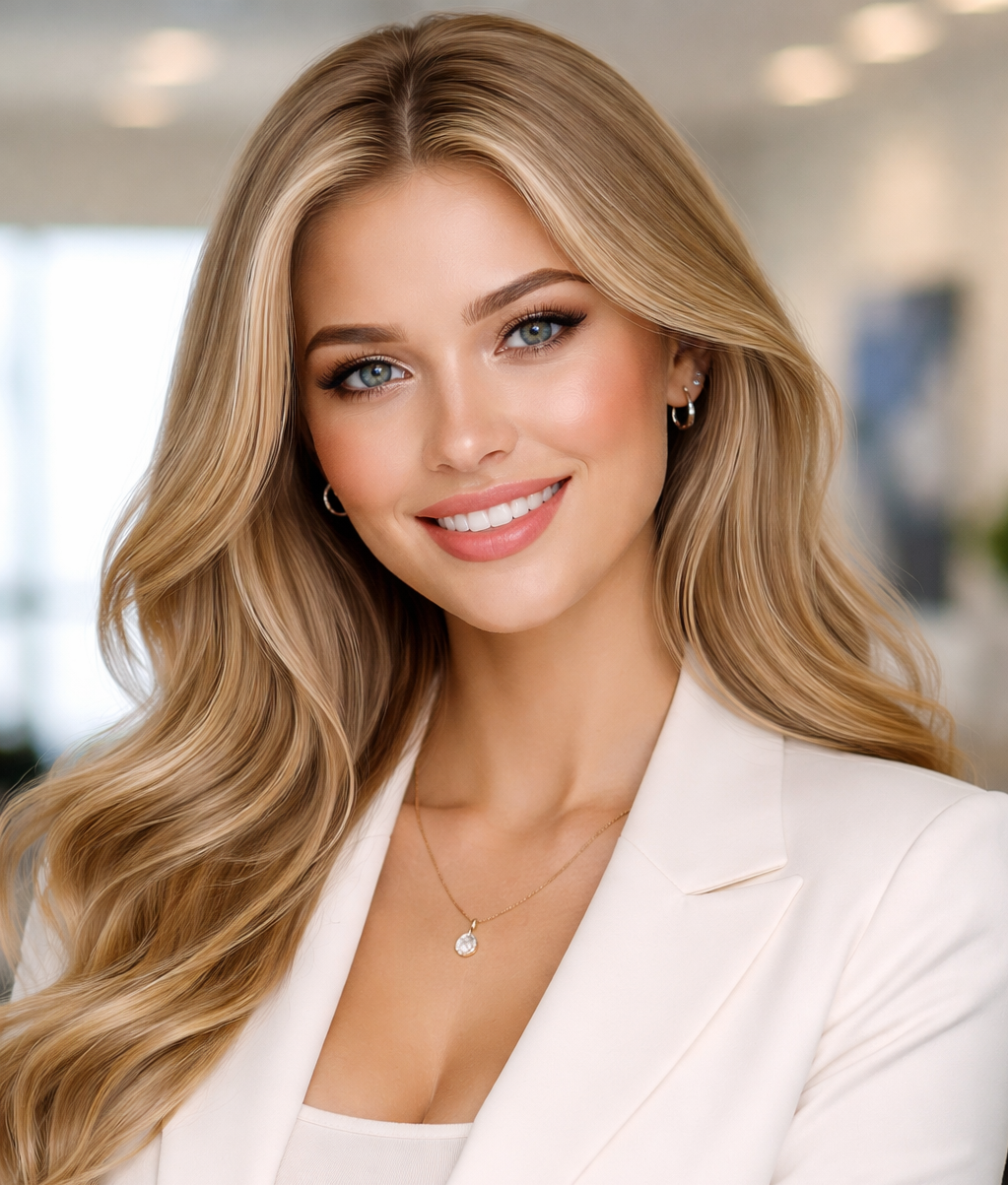
"These analyses are written to help our partners interpret where luxury casting, synthetic production, and digital campaign control are moving next."
Related Intelligence
Keep building context before the brief, but stay inside the topics that support roster, campaign, and synthetic-production decisions.
Zalando: 90%. The Cost Structure Has Changed.
In Q4 2024, 70% of Zalando's editorial imagery was AI-generated. Campaign production costs fell by 90%. This is not a cost story. It is a structural shift in what the image economy is.
Industry IntelligenceLil Miquela: $11 Million, 2.5 Million Followers, and the Ceiling
The first synthetic identity to earn eight figures proved the commercial case for AI-generated presence. It also proved the limits of social-first positioning — and why luxury casting requires something the social model was never built to provide.
Industry IntelligenceThe Vogue Threshold: What Happened When AI Entered the World's Most Important Magazine
In August 2025, Guess ran the first AI-generated model advertisement inside American Vogue. 2.7 million TikTok views later, the backlash had arrived. The lesson was not about AI — it was about identity, disclosure, and the difference between a campaign face and a campaign asset.